





65%
20%
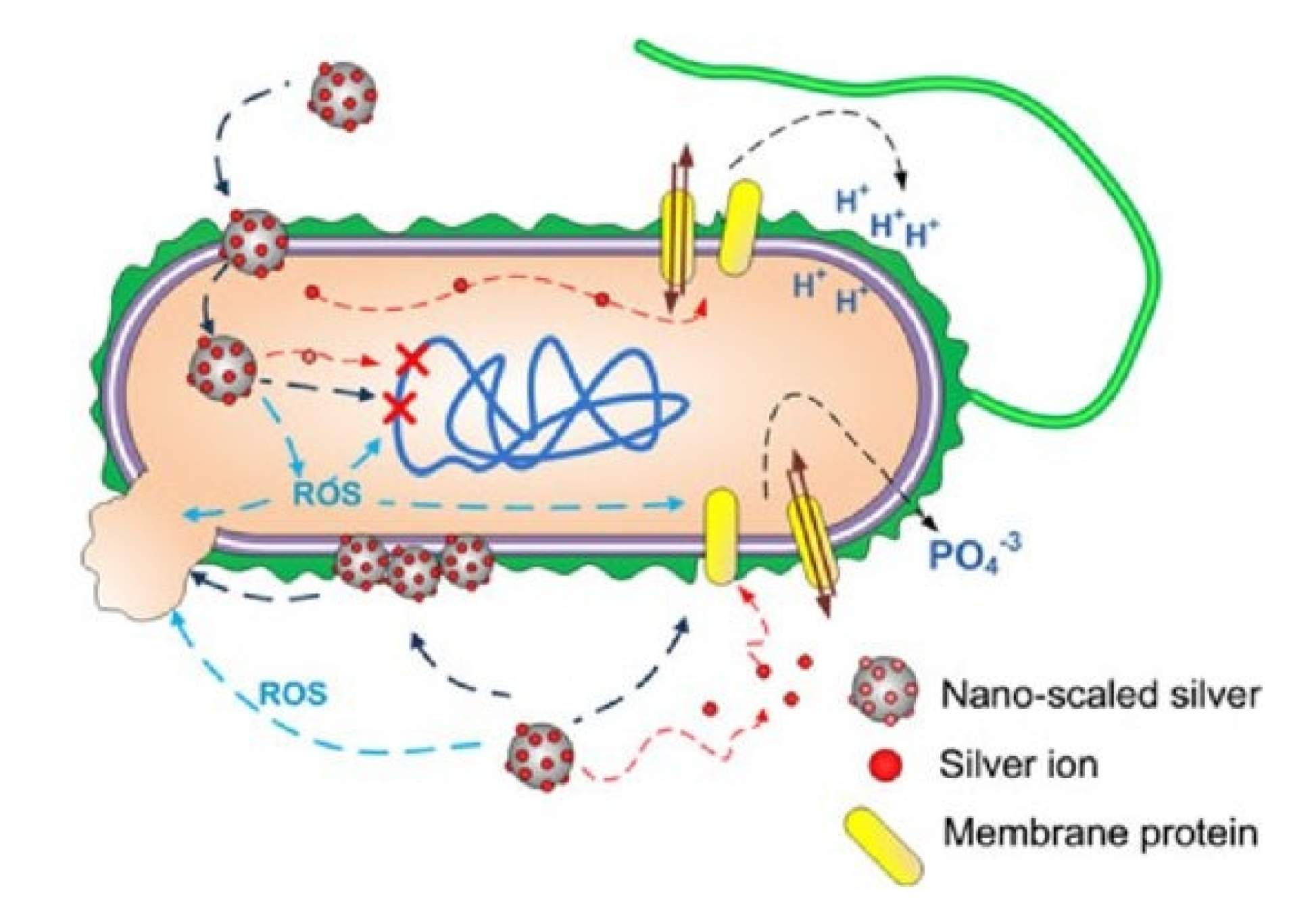
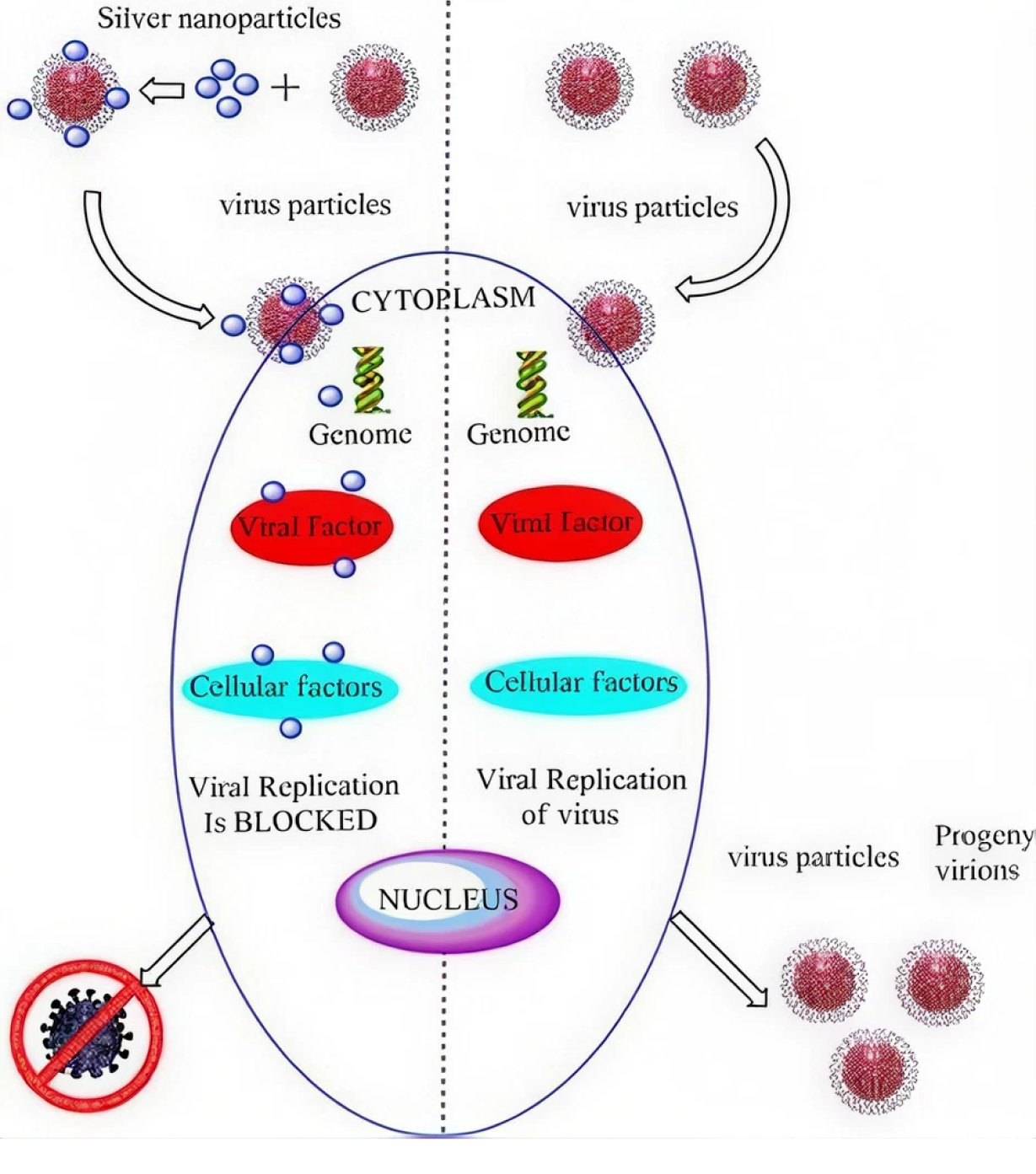
Silver-based antimicrobials work through mechanisms that science is still studying. Three of them account for the main effects observed against bacteria, while two others explain how they act against viruses.
For bacteria, the first mechanism occurs when the cell takes up free silver ions, which interrupts ATP production and DNA replication. The second occurs when the silver particles themselves release ions that generate reactive oxygen species, damaging the bacterium’s genetic material. The third happens through direct contact between the silver particles and the cell membrane, causing structural damage that compromises the cell’s integrity.
These interactions between silver materials and cells follow a conceptual model described by Damm et al. and Neal (2008), which is used as a reference to explain the main mechanisms observed to date.
Application: antimicrobial protection in a white polypropylene handle
Application: elastic bands for dental treatment free of fungi, bacteria, and viruses
Application: 15 extra days of shelf life with antimicrobial protection
© 2026 Copyright NANOX | All rights reserved